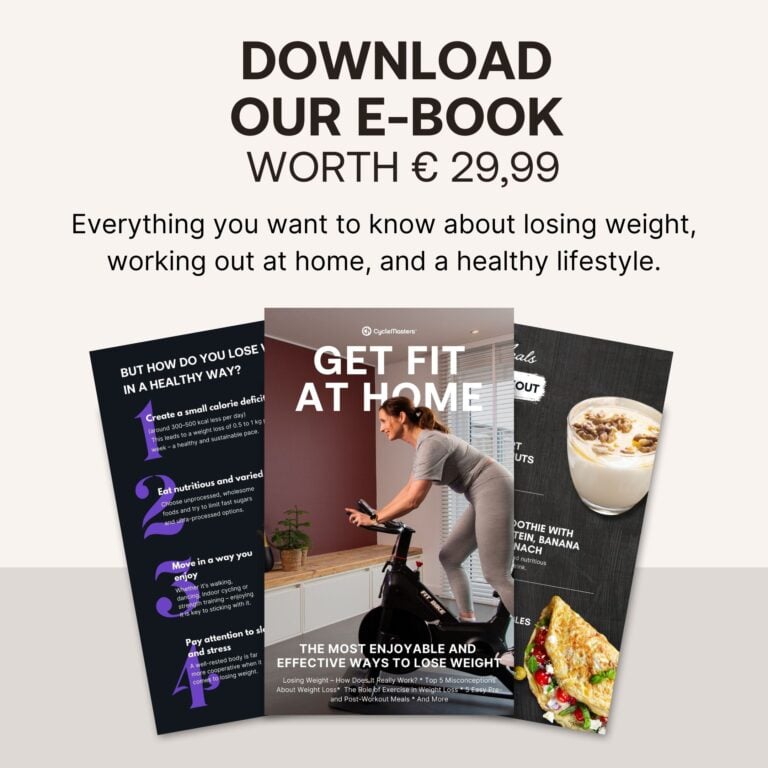
Has your workout discipline been a bit lacking over the past few months? And is your New Year’s resolution to finally shed those extra pounds? You are definitely not the alone… We’re here to help you get on track with some essential tips on what to look out for when returning to exercise after a break!
Start at the Beginning
When you haven’t exercised in a while, you might find yourself waiting for the “perfect moment” to start. But honestly? There is never a perfect time. There will always be an excuse or something that makes it inconvenient right now. The secret is to choose a workout you actually enjoy—that is the only way you’ll stick with it.
It’s also all about creating the right mindset, even if you need a little outside help. Lean on a friend, your partner, family, or a community. Find someone who inspires you. Speak your goals out loud and identify your potential pitfalls. It doesn’t matter when you start; instead, focus on the reward of a training routine and a healthy lifestyle: that amazing post-workout feeling, confidence, satisfaction, pride, and positive energy. And, looking at the long term, don’t forget about that toned beach body!
Keep in mind: It is crucial to take it easy at first. Build up your workouts slowly and make sure you get enough rest. Ideally, plan a rest day between your training days and aim for 7-8 hours of sleep per night. This gives your muscles the chance to recover and prevents injuries.

Is Indoor Cycling the Right Fit for You?
Indoor cycling is a fantastic way to train at your own pace. If you can ride a bike, you can join a class. Every single exercise can be adjusted to your fitness level simply by tweaking the resistance.
Interestingly, more resistance doesn’t always mean it’s harder. When you’re cycling out of the saddle at a fast pace, having too little resistance is actually tougher because your legs have to work harder to control the movement. You also have total freedom to sit down during a standing climb, or to lower your resistance and stand upright for a moment. In short: plenty of options to scale the workout to your level.
Another massive benefit of indoor cycling is that it’s incredibly low-impact on your joints—especially compared to other cardio sports. Your hips and knees will thank you for choosing the spinning bike! However, building up gradually is still key. Start with 20-minute sessions, then work your way up to 30, 45, 60, and maybe eventually 90 minutes. You’ll notice progress in no time!
How Do You Prevent Injuries?
It sounds simple and logical: by not overdoing it. Try to maintain a steady, moderate pace for the first few weeks, even if you feel like you can handle more. It is always better to build up too slowly than too quickly. If you get injured or overwork your muscles, the recovery process can take a long time, forcing you to start all over again.
Give your joints, tendons, and muscles time to adapt to the movement and the workload. Furthermore, always ensure you do a proper warm-up, and never skip the cool-down!
Tip: Investing in the right footwear can also go a long way in preventing injuries.
Tips from the Trainers
Lastly, don’t get distracted by all the influencers and athletes on social media with their picture-perfect photos. Focus entirely on your own journey. Remember: everyone was a beginner once!”